
Overview
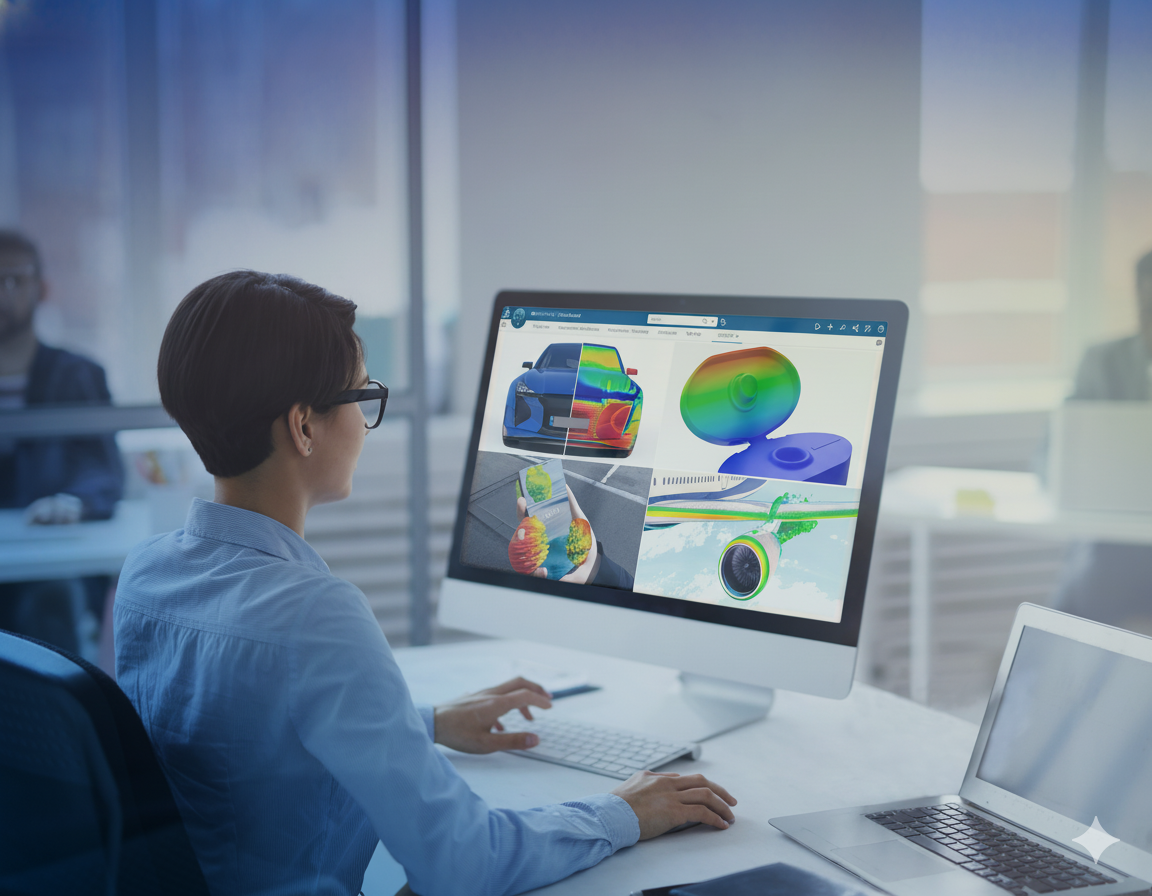
Engineering industries today are under increasing pressure to deliver faster innovation, higher performance, and more sustainable products. Traditional product development processes, where design and simulation are performed separately, are no longer efficient enough to keep up with these demands.
This is where MODSIM (Modeling + Simulation) comes in.
What is MODSIM?
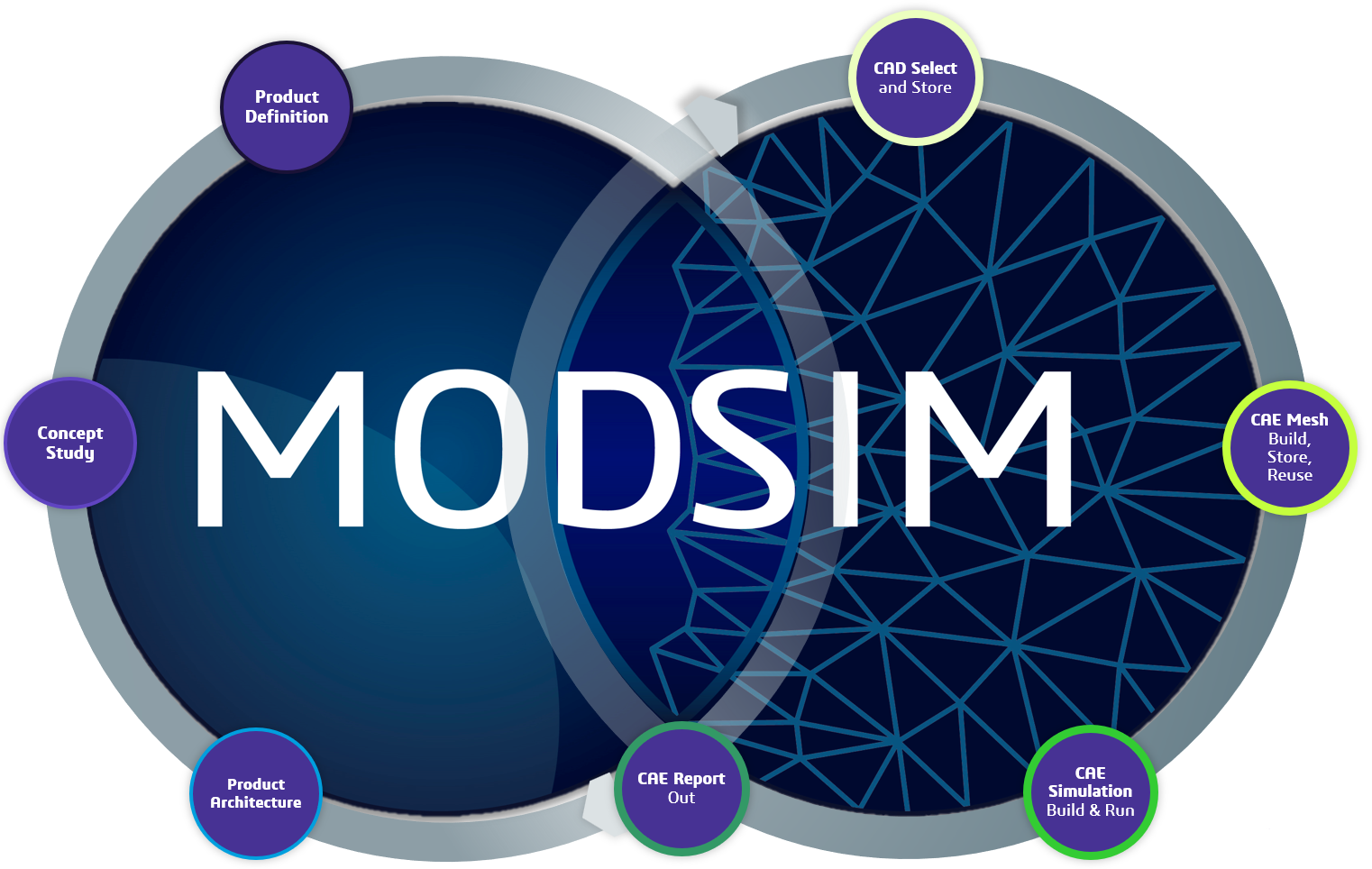
MODSIM connects modeling and simulation in a single, integrated workflow, allowing engineers to design complex geometries and simulate their performance seamlessly within the same environment.
Instead of treating design and simulation as two separate steps, MODSIM enables engineers to model, simulate, analyze, and optimize products simultaneously.
This approach allows companies to:
- Experience all aspects of design earlier
Running simulations early in the product development process helps engineers gain deeper insight into performance and validate requirements before costly prototypes are built. - Explore more design alternatives
Faster simulation iterations allow teams to test more concepts and bring innovative products to market faster. - Accelerate collaborative innovation
MODSIM enables collaboration between teams responsible for product requirements, design, and validation within a unified platform.
Industries such as automotive, aerospace, and healthcare are currently undergoing major transformations. They are being pushed toward faster, scalable, and more sustainable product development, and MODSIM is becoming a key enabler of this shift.
Why MODSIM Matters Today
1. A Common Model Build (CAD-CAE Associativity)
Traditionally, engineers create one model for design and another for simulation. This duplication increases complexity and slows development.
With MODSIM, the model only needs to be built once.
The same model can be used across design and analysis tasks, reducing errors and saving time.
This Is possible because:
- Design and simulation share the same data structure, ensuring a direct link between CAD and CAE.
- Engineering requirements, design intent, analysis results, and comments can all be embedded within the model itself.
- Engineers can easily share models with suppliers, partners, and consultants, improving communication and efficiency.
- Design updates, requirement modifications, and development milestones can all be managed within the same environment.
2. Intelligent and Automated Modeling
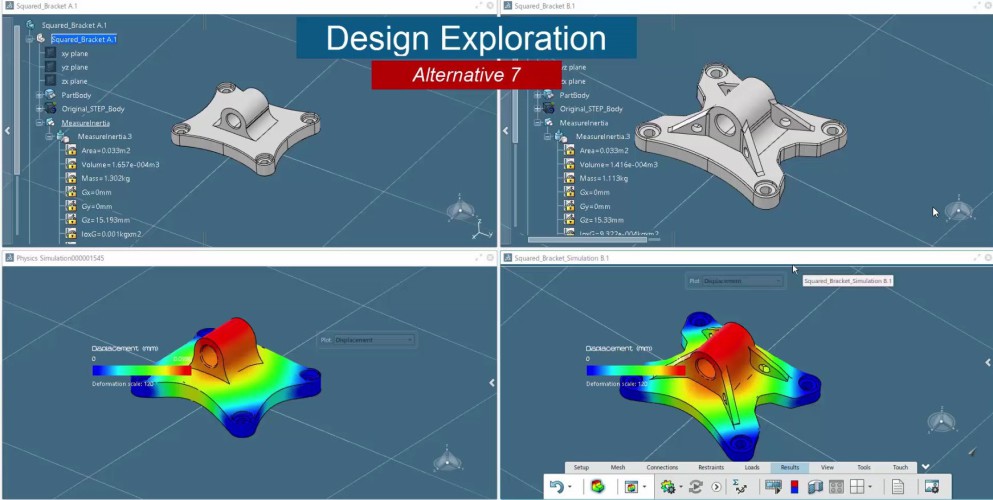
MODSIM enables engineers to apply simulation capabilities during the early concept development phase. This allows designers to identify promising concepts before investing significant time in detailed modeling.
Automation plays a key role in this process because:
- Existing models and simulation data can be reused to accelerate the development of new product versions.
- Engineers can define performance targets and constraints, and software tools can automatically generate potential design solutions.
- Engineers can optimize their design using two main strategies commonly used:
- Parametric optimization
Simulation automatically evaluates multiple variations of a design by adjusting parameters such as dimensions or material properties. - Non-parametric optimization
Engineers define constraints and objectives, and the system identifies the optimal geometry that meets those requirements.
3. Flexibility Through Multi-CAD Integration
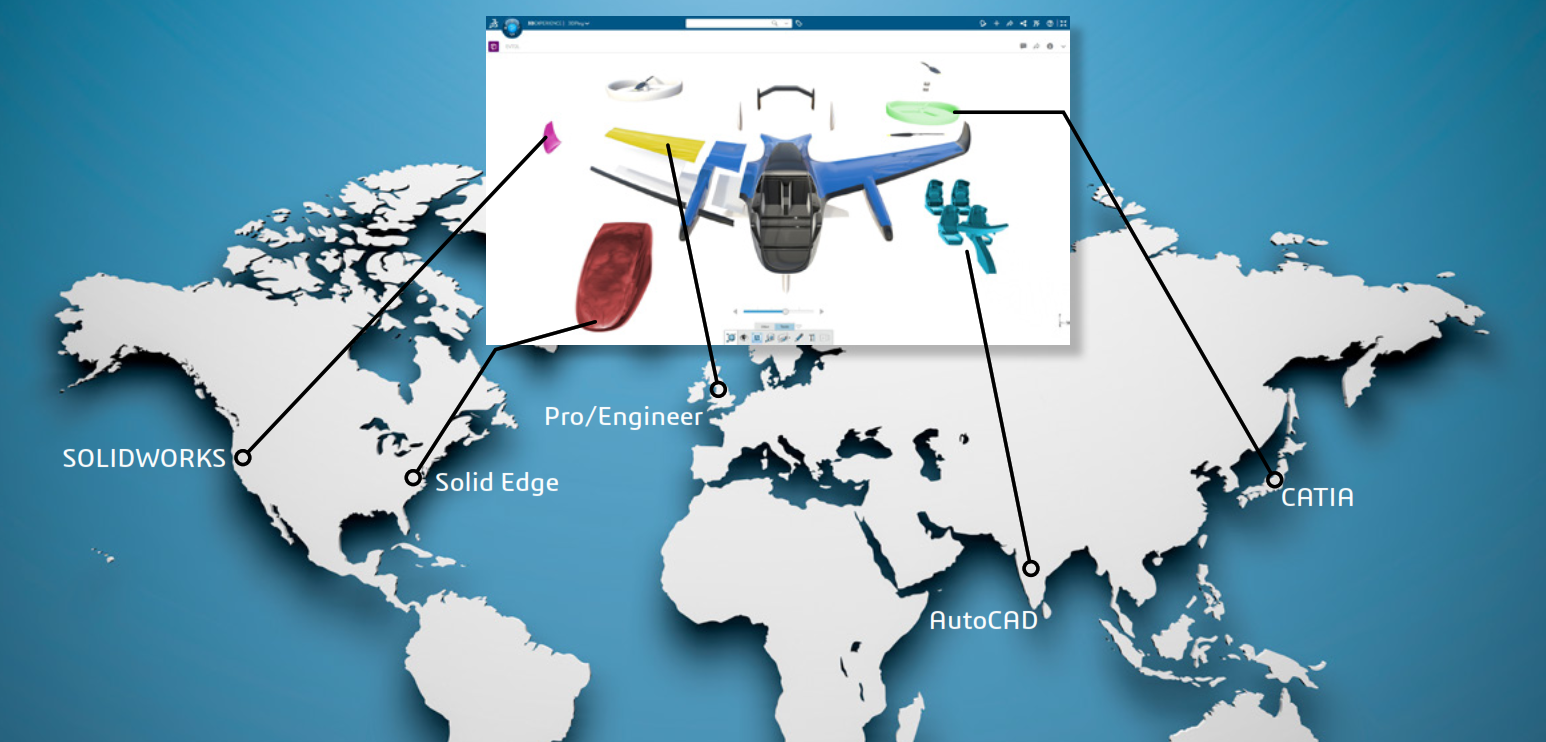
Engineering teams frequently rely on different CAD software depending on their projects or departments. MODSIM supports a multi-CAD approach, allowing models from multiple CAD systems to be used within the same simulation workflow.
For example, geometry from:
- CATIA
- SOLIDWORKS
- Siemens NX
- PTC Creo
can all be integrated into a single simulation environment.
This flexibility offers several advantages because:
- Engineers can continue working with the CAD systems they are most comfortable with.
- Projects involving multiple partners can move forward more smoothly.
- Changes made in external CAD systems can be automatically synchronized with the simulation environment.
4. Automated Simulation Preparation
Setting up simulations can often be time-consuming due to tasks such as geometry preparation, meshing, and solver configuration.
MODSIM simplifies these processes by automating many of the steps required to prepare a simulation.
Examples of automated tasks include:
- Data preparation and file conversion
- Integration of multiple components into a complete assembly
- Geometry simplification and cleanup
- Mesh generation and solver configuration
Automation allows engineers to focus more on interpreting results and improving product designs rather than spending time on repetitive setup tasks.
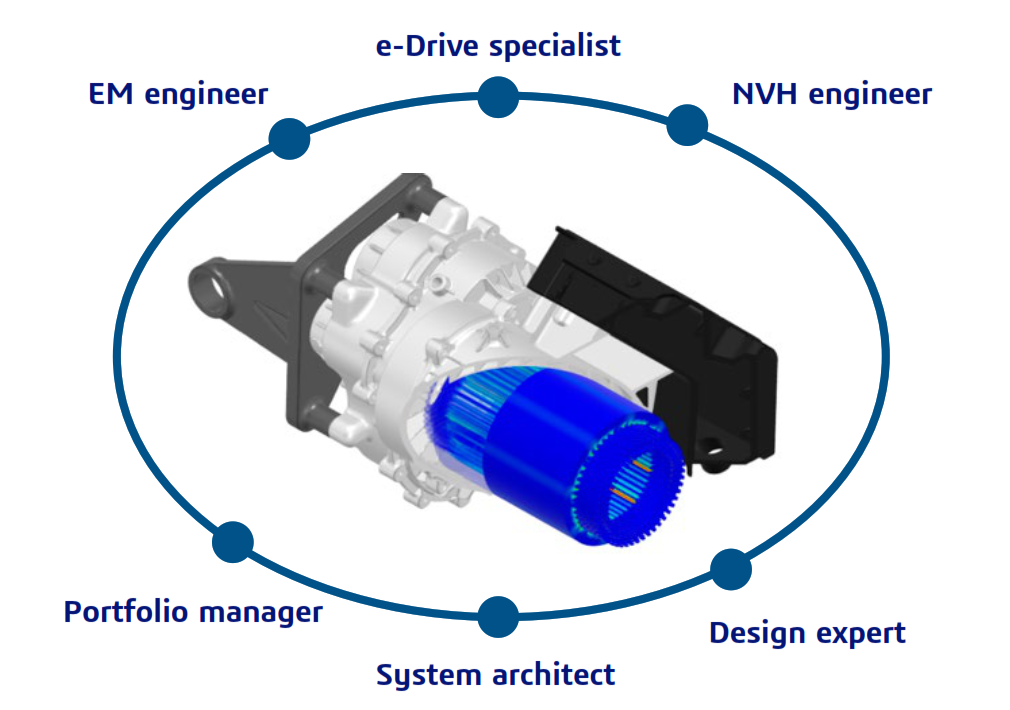
5. Making Simulation Accessible to the Entire Team
MODSIM helps remove traditional barriers between design engineers and simulation specialists.
Instead of operating in separate workflows, teams can collaborate using the same models and tools.
This approach is crucial in:
- Improving communication reduces errors and misunderstandings.
- Input from different disciplines can lead to new design ideas.
- Designers can perform simulation tasks while analysts can directly influence design decisions.
As a result, product development becomes faster and more collaborative.
6. A Single Source of Reliable Data
Managing multiple versions of design files across teams can be challenging. MODSIM addresses this issue by storing all project data within a centralized environment.
This single source of truth ensures that:
- All users access the latest design information
- Previous versions are safely archived
- Sensitive data is protected through access controls
- Development risks caused by outdated files are minimized
Centralized data management significantly improves reliability and transparency across engineering projects.
Enabling MODSIM with the 3DEXPERIENCE® Platform
A complete MODSIM workflow requires more than just design and simulation software. It also involves tools for collaboration, automation, project management, and communication.
The 3DEXPERIENCE® Platform integrates these capabilities into a unified digital environment.
Within this platform, engineers can combine powerful design and simulation solutions, including:
- CATIA
- SOLIDWORKS
- Abaqus
- CST Studio Suite
- PowerFLOW
- Simpack
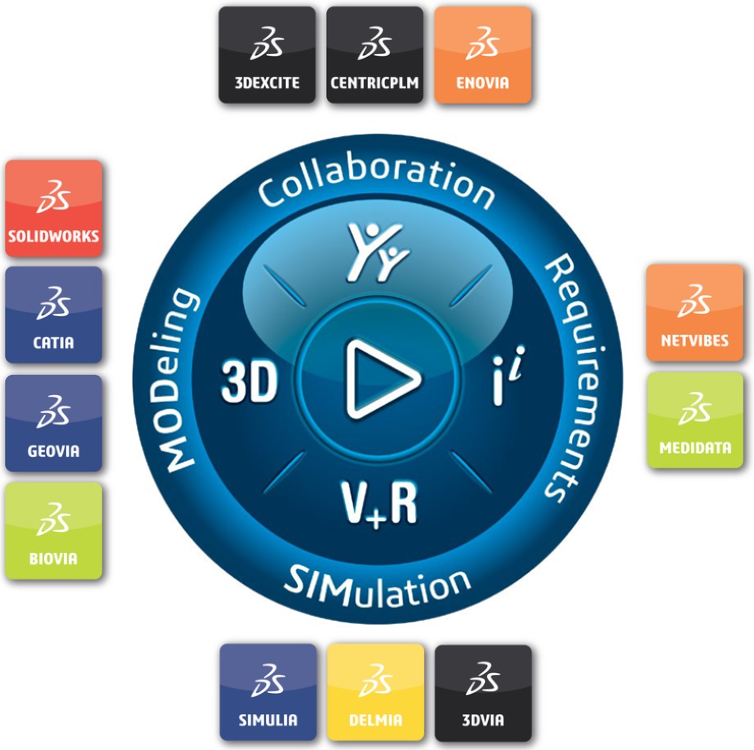
By bringing these technologies together on a single platform, companies can streamline development processes, improve collaboration, and fully leverage the benefits of integrated modeling and simulation.
Interested in Learning More?
MODSIM is changing the way engineers design, analyze, and optimize products.
If you would like to see how MODSIM can support your organization’s innovation goals, our team would be happy to demonstrate how the technology works in practice.
Contact us today to schedule a demo and discover the advantages of integrated modeling and simulation.
Author

Mohammed Zourob
Solutions Consultant - EMAG
Mohammed holds a Bachelor's in Electrical Engineering and an MBA. His expertise lies in power and renewable energy, electromagnetic simulations, and product life cycle management.